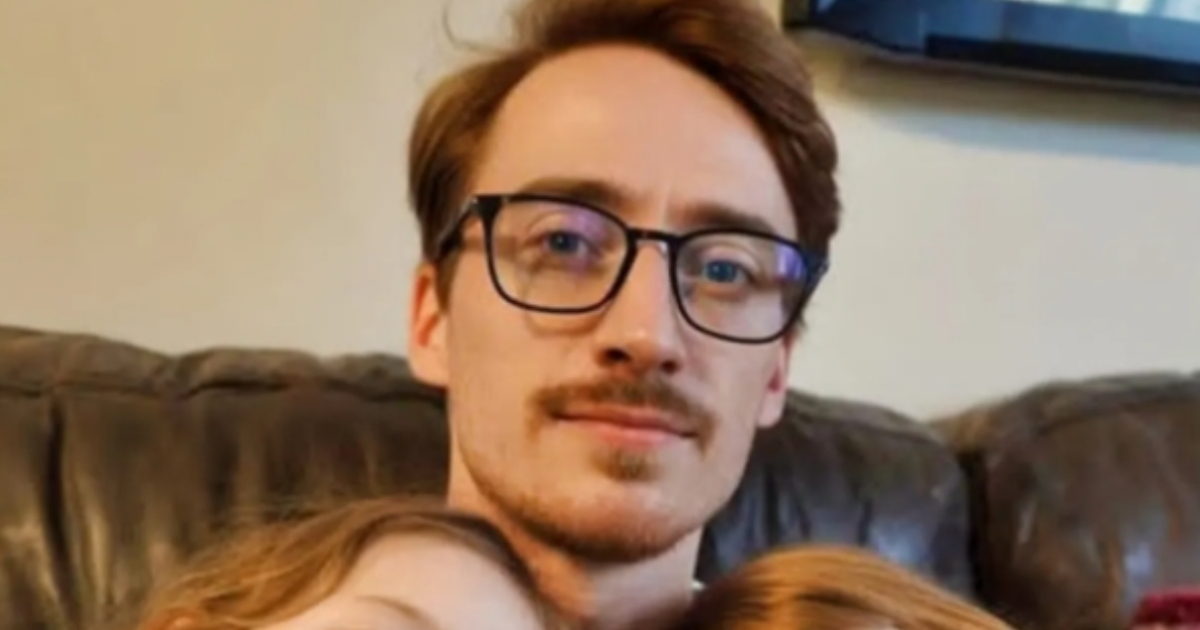
Six months ago, 25-year-old James was a young structural engineer with a stable life, a steady job, and an upcoming wedding to his fiancée, Jenna. His biggest worries were deadlines and his mother Naomi’s well-meaning advice. But everything changed the night Naomi was killed in a car accident. Overnight, James’s world collapsed—emotionally and practically.
Her death didn’t only take a mother from him; it left him as the sole guardian of his 10-year-old twin sisters, Lily and Maya. Their father, Bruce, had walked out years ago, leaving only James to step in. Without hesitation, he moved back into his mother’s house, gave up his apartment, postponed his future, and took full responsibility for the two terrified, grieving girls.

In those first weeks after the funeral, Jenna seemed like a blessing. She moved in, packed lunches, decorated the girls’ rooms, braided their hair, and told James she finally had “the little sisters she always dreamed of.” Exhausted and overwhelmed, James believed he was witnessing genuine love.
But the truth arrived on a quiet Tuesday afternoon.
James came home early. Before he could call out, he heard Jenna’s voice—cold, low, calculated—whispering to the girls that a foster home would “be better for them.” Then, on a phone call to her friend, Jenna revealed everything: she wanted the twins gone so she could claim the house and Naomi’s life-insurance money. She even bragged she would make the girls miserable until James put the deed in her name.
James froze. Every “kind” action she had taken was part of a manipulation, a strategy—not love.

He didn’t confront her. Instead, he transformed his shock into strategy.
That evening, he played along. He pretended to doubt his ability to care for the girls and agreed that maybe they should consider a foster family. Then he “re-proposed,” insisting they have a grand wedding to celebrate their fresh start.
Jenna fell for it instantly.
While she obsessed over flower arrangements and catered menus, James was contacting lawyers, the twins’ therapist, and tech experts. Most importantly, he retrieved footage from the nanny cams Naomi had installed years ago.
The evidence was all he needed.

At the reception, Jenna stood glowing in her white dress, ready to give a speech about love and family. James gently took the microphone.
“We’re here today,” he said calmly, “to reveal who we really are.”
Then the lights dimmed. The projector lit up. And the grainy kitchen footage began to play—Jenna calling the twins “leftovers,” explaining how she planned to squeeze the house and money out of James by getting rid of the girls.
Gasps. Whispers. Jenna’s face drained of color.
She screamed that it was fake, that James was ruining her. But her parents, the guests, and James himself knew the truth: she had destroyed herself.
James publicly ended the engagement right there.

In the aftermath, Jenna tried to return, forcing James to file a restraining order. But the real victory happened one week later when the twins’ adoption was finalized. Maya cried quietly while signing her name; Lily whispered, “We won’t be separated now,” revealing the fear they had been carrying alone.
That night, James cooked spaghetti while the three of them played music loudly in the kitchen—their first normal dinner in months. They lit a candle for Naomi. As Lily leaned her head on James’s shoulder, she whispered:
“We knew you’d choose us.”
And for the first time since his mother’s death, James finally cried—not from loss, but from the overwhelming relief of knowing his sisters were safe, loved, and finally home.


